

Written by Ian Smith Article Date: October 14, 2026
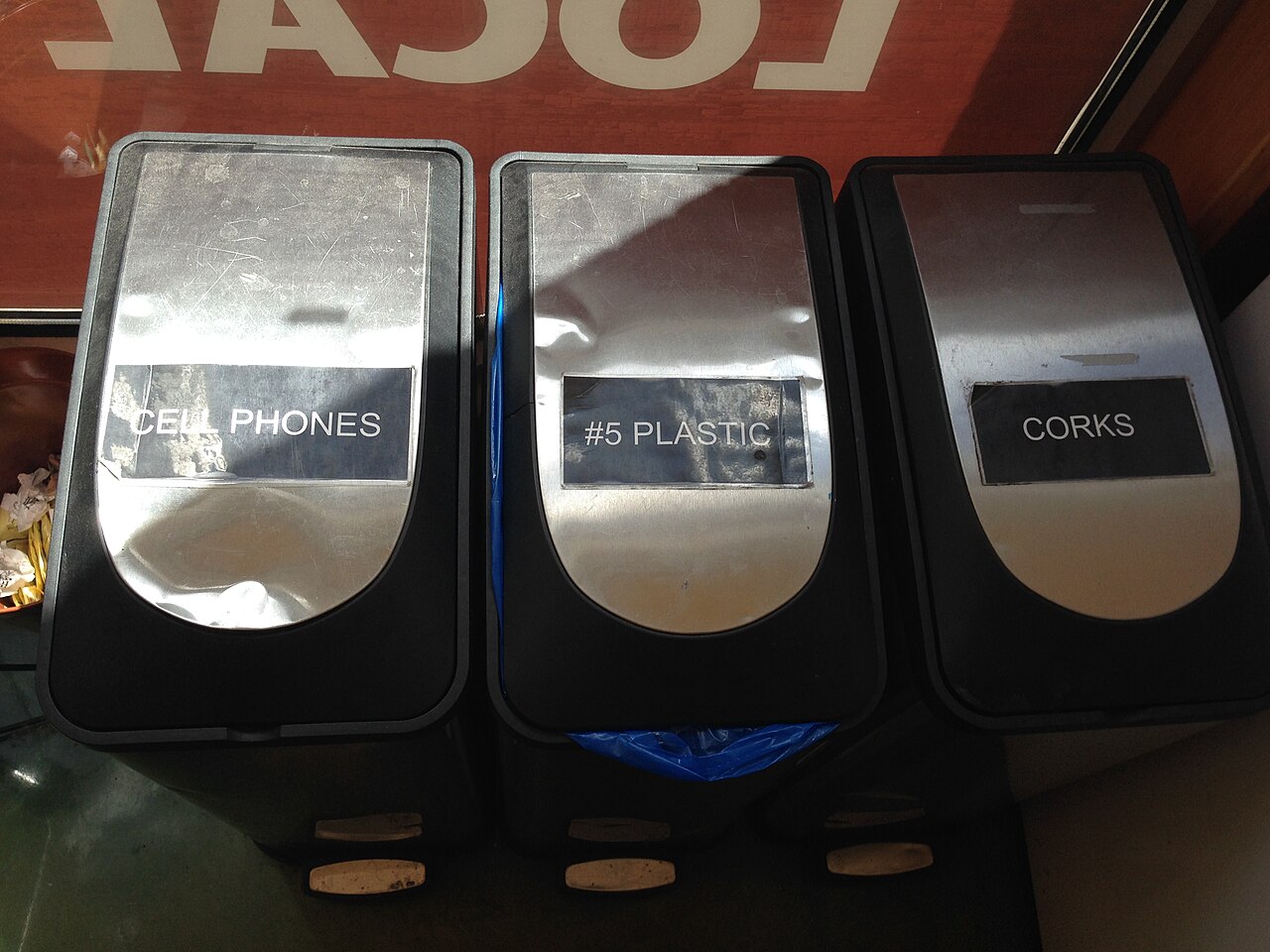
Today is International E-Waste Day, and this year's theme puts a name to a category most of us barely notice: “Fast Tech.” These are the small, inexpensive electronics that slip easily into daily life—earphones, charging cables, USB adapters, LED lights, mini fans, and other gadgets—and just as easily disappear into a drawer or an ordinary trash bin when they stop working.
That last trip is the problem. A dead television still looks like electronic waste. A broken cable or a pair of bargain earbuds can feel too small to deserve a special route.
Small Devices Add Up to a Global Material Loss
The WEEE Forum, which founded International E-Waste Day, chose Fast Tech for the 2026 observance because these products are rarely recognized as e-waste. Its advice is simple: recognize small electronics for what they are, return them through an official collection or take-back program, and do not throw them in the general bin.
The scale behind that message is enormous. The United Nations' Global E-waste Monitor reported that the world generated a record 62 million metric tons of e-waste in 2022. Only 22.3% was documented as properly collected and recycled. The report estimated that the rest left US$62 billion in recoverable natural resources unaccounted for, while global e-waste generation is projected to reach 82 million metric tons by 2030.
Those are global estimates covering every kind of electrical and electronic equipment, not just Fast Tech. But small devices help explain why the collection gap is so stubborn. They are easy to buy, easy to store, and easy to misclassify at the moment of disposal.
The material value is real even at small scale. The U.S. Environmental Protection Agency says that recycling one million cell phones can recover 35,000 pounds of copper, 772 pounds of silver, 75 pounds of gold, and 33 pounds of palladium. Once electronics are mixed into ordinary waste, recovering those materials becomes much harder.
The Right Answer Is Usually a Separate Route
In offices, campuses, stadiums, and public buildings, Fast Tech often sits between several responsibilities. An IT team may manage laptops but not personal earbuds. Facilities may own the trash and recycling stations but not an e-waste program. Procurement may buy cables by the box without tracking where worn-out ones go. When no one clearly owns the end of the product's life, the nearest bin becomes the default.
The practical response starts before disposal. Buy durable or repairable equipment where possible, reuse working items, and set up a clearly marked collection path for electronics that truly have reached the end of their useful life. Follow local rules and use a reputable collection or certified recycling program. Devices containing batteries need particular care; EPA says they should not go in household garbage or recycling bins and that batteries may need to be removed and recycled separately.
Ordinary trash and recycling systems still have a role: they can show where the confusion is happening. If a building repeatedly finds cables, earbuds, or small gadgets in its normal bins, that is evidence that the separate collection program is missing, hard to find, or poorly explained.
That is where better source-side education and waste data can support the bigger system. MyMatR's current Coach and Maestro products manage two customer-configured trash or recycling streams; they do not process e-waste or replace a dedicated electronics program. Coach provides immediate two-stream education and deposit-level waste visibility, while Maestro adds automatic rotation to direct deposits into the configured stream. Used thoughtfully, that kind of feedback can help an operator spot out-of-scope material and improve the signs, placement, and education around a separate collection route.
That wraps up this week's Waste Watch Wednesday. Fast Tech may be small enough to overlook, but its proper destination should not be a mystery. The best bin decision is sometimes not either opening—it is recognizing that the item needs a different path altogether.
Sources
- WEEE Forum, “International E-Waste Day” - UNITAR and ITU, “The Global E-waste Monitor 2024” - U.S. Environmental Protection Agency, “Electronics Donation and Recycling” - Featured image: “Cell phone trash” by Victor Grigas, CC BY-SA 3.0