Written by Ian Smith Article Date: October 21, 2026
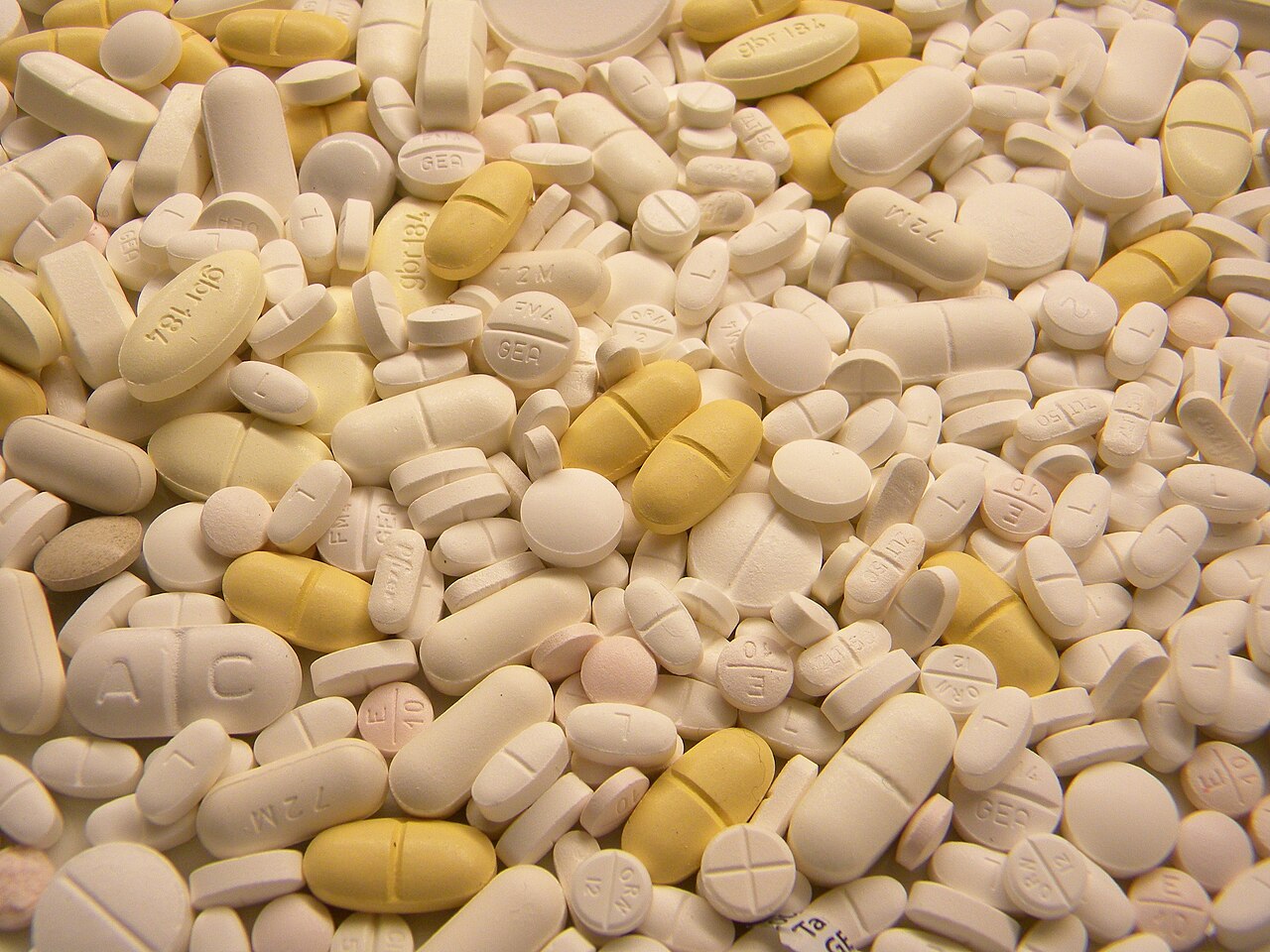
This Saturday is National Prescription Drug Take Back Day, which makes this a good week to look beyond the usual trash-or-recycling choice. An expired bottle of pills may look like ordinary household clutter, but the medicine inside needs a controlled route of its own.
That distinction matters because the convenient disposal choice is not always the safe one. A trash can can leave medication accessible to other people or pets. A recycling bin can send pills, liquids, and small containers into equipment built to sort packaging, not pharmaceuticals. And the sink or toilet is not a default answer either: the U.S. Food and Drug Administration says not to flush medicine unless it is specifically included on the agency's flush list and a take-back option is not readily available.
A National Collection System Hiding in Plain Sight
The Drug Enforcement Administration says the October 24 event will be the country's 31st National Prescription Drug Take Back Day. More than 4,400 collection sites are scheduled to operate from 10 a.m. to 2 p.m., supported by over 4,300 law-enforcement partners.
The volume tells us this is not a niche waste stream. Since the program began in 2010, Americans have turned in more than 20 million pounds of unneeded medication. For anyone who cannot participate Saturday, DEA says more than 15,300 pharmacies, hospitals, businesses, and other authorized locations offer safe disposal year-round.
Take-back programs reduce the chance of accidental ingestion or misuse while moving medication into a collection system designed for it. Saturday's sites will accept tablets, capsules, patches, and securely sealed liquid medication in original containers. DEA says syringes, sharps, and illicit drugs will not be accepted, so local instructions still matter.
Good Sorting Sometimes Means Choosing Neither Bin
The practical lesson reaches beyond the medicine cabinet. Most public disposal stations present a simple decision: trash or recycling. Real life contains plenty of items that do not belong in either opening—medication, batteries, electronics, chemicals, and sharps among them. If a building offers only two visible choices and no explanation of exceptions, people will reasonably choose the nearest one.
Homes can start by finding a Saturday collection site or a permanent authorized collector. Offices, campuses, public buildings, and venues can help by telling people where special materials go instead of relying on a recycling symbol or a generic sign. After medication is removed through the proper route, people should obscure personal information on the packaging and check their local recycling rules; small prescription bottles are not accepted everywhere.
There is an operational cost when exceptions are ignored. Staff may have to remove prohibited material, a recycling load can be contaminated, and hazardous or sensitive items can travel much farther through the waste system than anyone intended. Clear directions at the point of disposal prevent those downstream problems.
This is also where waste data and immediate education can be useful. MyMatR's current Coach and Maestro products manage two customer-configured trash or recycling streams; they do not collect medication or replace an authorized take-back program. Coach can provide two-stream education and deposit-level visibility, while Maestro adds automatic rotation to direct deposits into the configured stream. Used as part of a broader program, that visibility can show operators where people keep encountering out-of-scope material and where a separate collection route or clearer message is needed.
That is the takeaway for this week's Waste Watch Wednesday: a better waste system does not force every object into the same two answers. Sometimes the most important sorting instruction is a clear, timely “not here”—followed by a safe place to go.
Sources
- U.S. Drug Enforcement Administration, “DEA to Host 31st National Prescription Drug Take Back Day on Saturday, October 24th” - U.S. Food and Drug Administration, “Where and How to Dispose of Unused Medicines” - Featured image: “Tablets pills medicine medical waste” by Pöllö, CC BY 3.0